...

Topee – Hair Loss Solutions for Men

Male

“Will It Look Natural?” — Honest Answers to Men’s Biggest Hair Patch Concerns

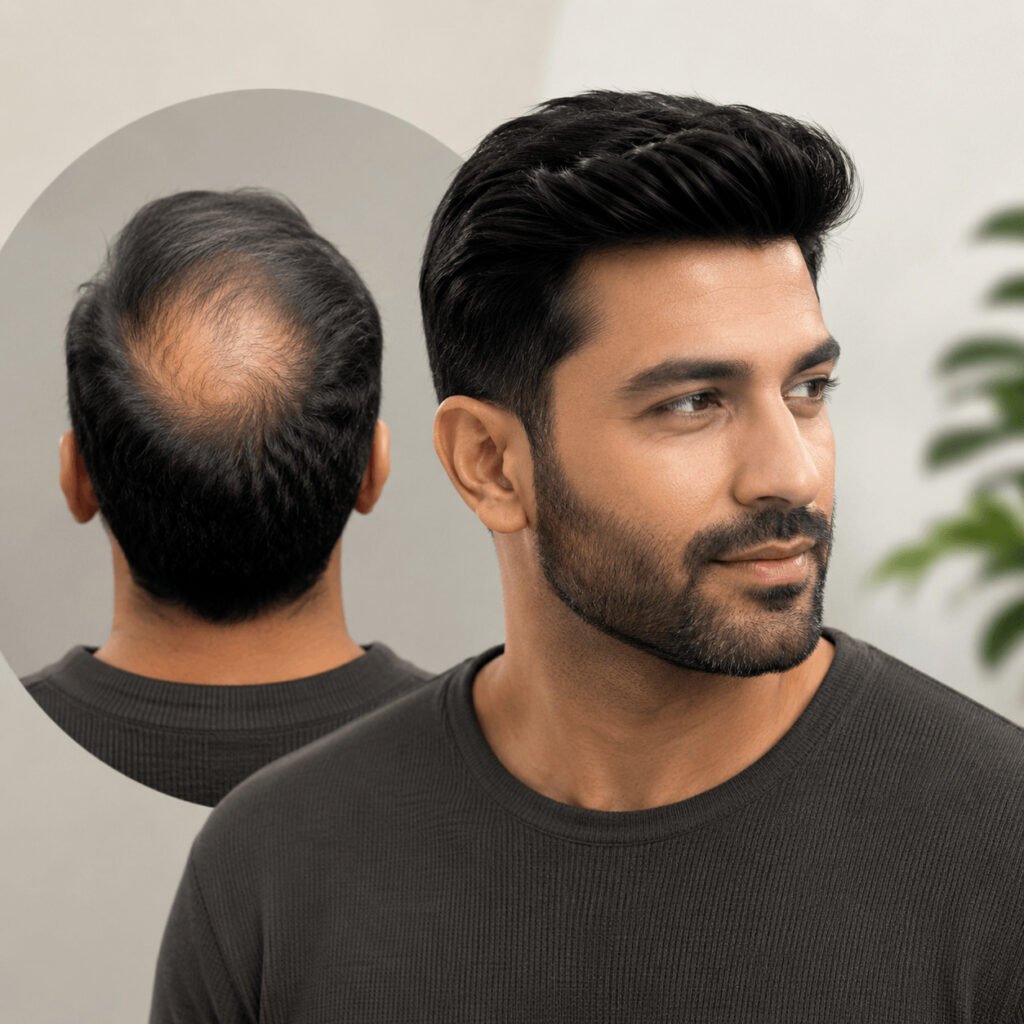
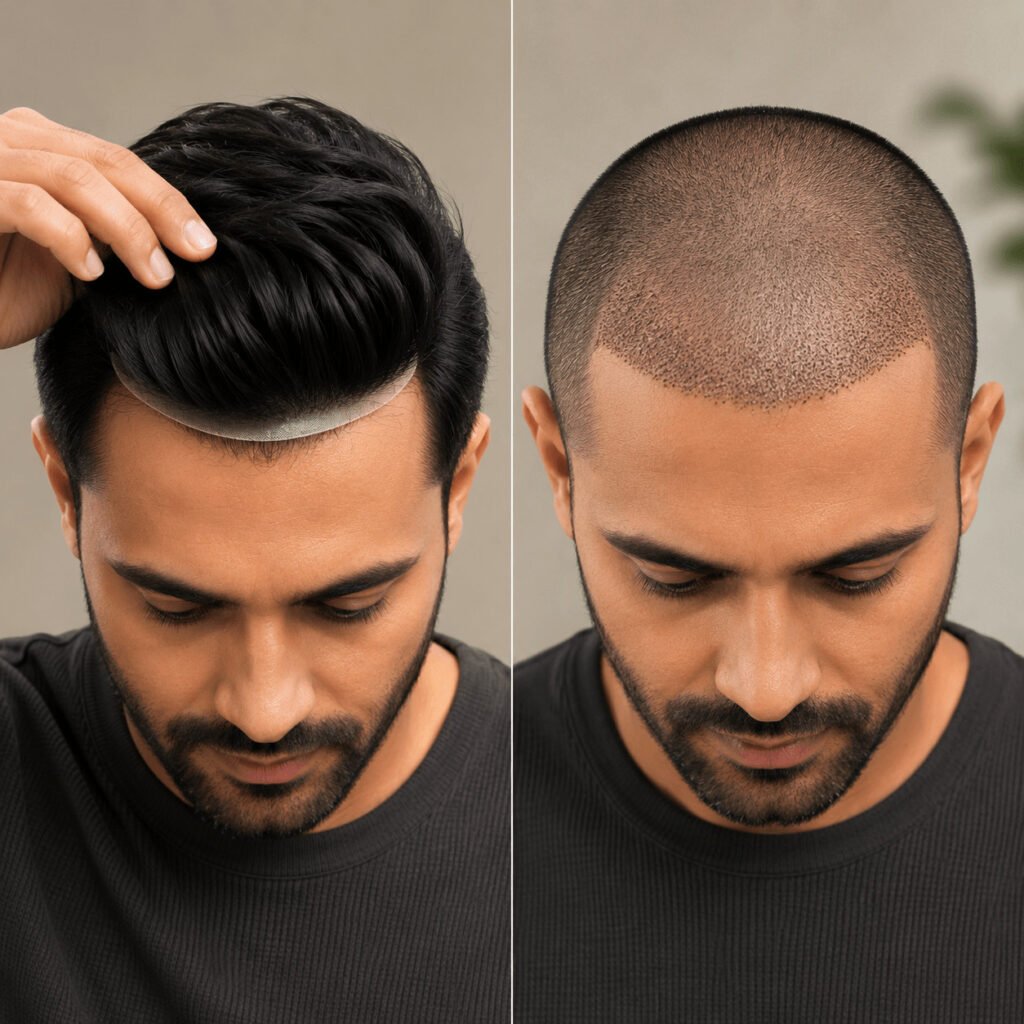
“Will It Look Natural?” — Honest Answers to Men’s Biggest Hair Patch Concerns   Quick answer: Yes — a properly fitted, colour-matched hair patch is designed to be undetectable in daily life, up close, in photos, and through sweat, rain, or wind, because the realism comes from precise hairline design and matching, not luck. Detectability almost always comes down to fit quality, not the product itself. This guide answers the honest, specific concerns men have before booking — from “will people notice” to what to tell family to whether it holds up in a Bengaluru downpour. These are the questions men hold back from asking out loud at a consultation — so here they are, answered straight, with no vague reassurance. Will people actually be able to tell I’m wearing a hair patch? No — a well-fitted, colour-matched hair patch is designed to be undetectable in normal daily life, including up close and in good lighting. Detectability almost always comes down to fit quality, not the product category itself. A generic, poorly matched patch is noticeable; a custom-built one from a proper consultation isn’t. Does it look fake up close or in photos and videos? A properly fitted hair patch holds up under close-range scrutiny, camera flash, and video, because the hairline and colour-matching are done specifically to avoid the flat, uniform look that gives lower-quality systems away in photos. The table below breaks down exactly what separates a natural-looking patch from one that reads as obviously artificial. What to look for Well-fitted patch Poorly-fitted patch Hairline Follows your natural growth pattern, slightly irregular Straight, uniform, obviously drawn-on edge Colour match Blended across multiple tones, like real hair Single flat colour, doesn’t match roots or greys Density Matches surrounding hair density Too thick and uniform, looks “wig-like” Base visibility Invisible against your scalp tone Visible sheen or colour mismatch at the parting Can someone tell by running their fingers through my hair? With a well-bonded, breathable base, no — the base is designed to feel like scalp rather than fabric, and the hair is rooted into it the way real hair grows from skin, not glued on in visible clumps. This is one reason base material choice matters. A cheap, thick base is far more likely to be felt than a fine lace or polyurethane one — see our basics guide for how the different base types compare. What should I tell my family? That’s entirely your decision — plenty of men tell close family everything, while others simply present their new, fuller hair without going into detail. Both are completely normal approaches. If you do want to bring family into the decision, many men find it easier after their first consultation, once they have real information — cost, what it involves, how it’s maintained — rather than guesses to share. Do I need to keep it a secret from people? No, you’re never obligated to disclose anything — a hair patch is a personal grooming choice, the same as a haircut or beard styling, and you decide who, if anyone, you tell. The privacy of a Topee consultation and fitting means you’re in full control of that decision from day one — nothing about the process requires you to involve anyone else. Can I get a hair patch if I’m not fully bald yet? Yes — a hair patch works for partial thinning, a receding hairline, or a thinning crown just as well as full baldness, since it’s custom-built only for the area you want covered. Having more of your natural hair around the patch area often makes blending easier, since there’s more existing hair to match colour and density against. Will it still look natural in wind, rain, or humidity? Yes — a properly bonded hair patch is designed to handle Bengaluru’s humidity, sudden rain, and wind without lifting or shifting, the same way it holds up through sweat and showering. Bond strength and base choice — breathable lace handles humidity especially well — are what keep it secure through weather, not just gentle indoor conditions. Can the patch be restyled if I want to change my hairstyle? Yes — human-hair patches in particular can be cut, styled, and even coloured the same way your own hair would be, so you’re not locked into one look. Synthetic-hair patches have less flexibility for heat styling or colour changes, which is worth factoring in if you like to change your hairstyle often. How soon will I feel confident wearing it in public? Most men feel comfortable within the first few days, once they’re used to the feel of the base and have seen how it holds up through a normal day. Your specialist also checks in at your first follow-up appointment to fine-tune anything that feels off before it becomes a confidence issue. What if I’m not happy with how it looks — can it be adjusted? Yes — hairline shape, density, and styling can all be adjusted after your initial fitting; a hair patch isn’t a one-shot decision you’re stuck with. This is one practical advantage over a transplant, where results are far harder to change once healed — a patch can be refined at your next maintenance visit. Key takeaways A well-fitted, colour-matched hair patch is designed to be undetectable, including up close and on camera. Disclosure is entirely your choice — there’s no obligation to tell anyone. It works for partial hair loss too, not just full baldness. It holds up through Bengaluru’s heat, humidity, sweat, and rain. Unlike a transplant, it can be adjusted and restyled after fitting if something’s not quite right. Want to see what’s possible for your hairline? [Book a free consultation at Topee’s Old Airport Road or Bellandur studio ?] Reviewed by Topee’s lead hair specialist. Topee is a men’s hair solutions studio in Bengaluru (Old Airport Road and Bellandur), specialising in non-surgical hair systems, patches, and wigs.  

Hair Patch vs Hair Transplant — Questions Answered

Hair Patch vs Hair Transplant — Questions Answered   Quick answer: A hair patch is a non-surgical hairpiece bonded to the scalp that delivers immediate results with no downtime, while a hair transplant is a surgical procedure that permanently relocates your own hair but takes months to show full results and involves recovery; rather than framing one as superior, it’s clearer to say that each option works for different kinds of expectations — patches suit men who want an instant, reversible, lower-commitment fix or who don’t have enough donor hair, while transplants suit men who want a permanent surgical solution and are prepared for the cost, healing, and wait. This is the comparison men ask for most once they’ve decided they want a real fix — here’s how the two options actually stack up, pros and cons included. What’s the core difference between a hair patch and a hair transplant? A hair patch is a non-surgical hairpiece bonded to your scalp, while a hair transplant is a surgical procedure that moves your own hair follicles from a donor area to the thinning area, where they then grow permanently. A hair patch gives instant coverage but needs ongoing maintenance and replacement, while a hair transplant becomes part of your own growing hair after healing; the trade-off is surgery, recovery, and waiting for results, with quality depending on donor hair and surgical skill, whereas patches guarantee immediate density and styling flexibility. Hair patch vs hair transplant: side-by-side comparison Here’s how the two compare on the factors that matter most when deciding: Factor Hair Patch Hair Transplant Cost Lower upfront, ongoing maintenance over years Higher one-time cost, no recurring patch expense Time to results Immediate — same day Gradual — full results in 9–12 months Pain / downtime None, zero downtime Minor surgical pain, days to weeks of recovery Permanence Not permanent — maintained and replaced over time Permanent — transplanted hair grows for life but can lose hair after sometime Upkeep Regular maintenance visits, periodic base replacement Normal haircare once healed, but ongoing medical maintenance is common — many patients continue PRP sessions or use medications like minoxidil/finasteride to sustain follicle health, which adds cost and effort. Who it suits Men wanting an immediate, reversible fix, or limited donor hair and not looking to go for expensive surgeries or excruciating pain. Men with sufficient donor hair wanting a permanent surgical fix Which one looks more natural? Both can look highly natural when done well, but for different reasons — a transplant grows as your own hair because it is your own hair, while a well-fitted patch achieves the same look through precise colour-matching and hairline design rather than biological regrowth. A poorly executed version of either can look obviously artificial: patchy regrowth from an inexperienced transplant clinic, or a mismatched, off-the-shelf patch. The skill of the provider matters more than the method itself. Which involves more pain and downtime? A hair transplant involves minor surgical pain and several days to two weeks of visible downtime — redness and scabbing — as the scalp heals. A hair patch involves no pain and zero downtime at all. This is one of the biggest practical differences between the two. If you can’t take time off work, or simply want to avoid any recovery period, a patch is the lower-friction option. Which gives faster results? A hair patch gives an immediate result — you leave your fitting with a full head of hair the same day. A transplant takes much longer: transplanted follicles shed initially, then regrow gradually over 9 to 12 months before you see the final outcome. Men who need a quick fix for an event, or simply don’t want to wait nearly a year to see results, often lean toward a patch; it also appeals to those avoiding surgery due to fear or pain, anyone wanting to curtail expenses, and those seeking greater density than their donor hair could provide through a transplant. Which is more expensive over the long run? A hair patch has a lower starting cost but adds up over years through ongoing maintenance and periodic base replacement. A hair transplant costs significantly more upfront but doesn’t involve recurring patch-replacement once healed; however, maintenance is still part of the journey — many patients continue PRP sessions or use medications like minoxidil/finasteride to sustain follicle health, which adds ongoing expense and effort Is a hair transplant permanent, and what does that mean compared to a patch? A hair transplant is supposed to be permanent because transplanted follicles are typically resistant to balding and continue growing for life. In practice, however, many men experience further hair loss over time — Topee has had clients who underwent transplants and returned for a hair patch after 3–5 years when thinning resumed. By contrast, a patch is not permanent but offers flexibility: it can be modified, upgraded, or stopped at any time, making it a maintained, replaceable solution rather than a one-time fix. “Permanent” also means a transplant can’t be undone or adjusted later if your preferences change, while a patch can be modified, upgraded, or stopped at any time.    Which is better for advanced (severe) baldness? For advanced or extensive baldness, a hair patch is usually the more reliable option, since it doesn’t depend on having enough donor hair. A transplant requires sufficient healthy hair elsewhere on your scalp to relocate, which becomes limited at advanced stages. A transplant surgeon will assess your donor supply directly; if it’s insufficient for the area you want covered, a patch becomes the more realistic route regardless of preference. Can I switch from a patch to a transplant later, or vice versa? Yes, the two aren’t mutually exclusive — some men start with a hair patch and move to a transplant later, while others get a transplant and use a patch temporarily afterward for extra density during the growth period. Switching from years of patch-wear to surgery is also possible at any time, though it’s worth

Hair Patch Cost in Bangalore: FAQs on Pricing, Lifespan and Maintenance

Hair Patch Cost in Bangalore: FAQs on Pricing, Lifespan and Maintenance   Quick answer: A hair patch in Bangalore typically costs [?5,000–?1,00,000+] depending mainly on hair type and base material, with most men also budgeting for recurring maintenance every month. The base itself usually needs replacing every [4–12 months]. Prices vary because every patch is custom-built for your scalp and coverage area, not sold off a fixed menu — your exact quote comes from a free consultation, not a price list. Below are the real questions men ask about cost, lifespan, and upkeep before deciding. Money is usually the second-biggest hesitation after “will it look real” — so here’s the honest breakdown, including the costs that aren’t always mentioned upfront. How much does a hair patch cost in Bangalore? A hair patch typically costs [?5,000–?1,00,000] in Bangalore, depending mainly on the hair type and base material you choose. At Topee, your specialist gives you an exact figure after assessing your scalp and coverage area at a free consultation — nothing is charged sight-unseen. Pricing varies this much because every patch is custom-built rather than off-the-shelf, so the final cost reflects hair quality, base material, and the precise size of the area being covered, not a flat menu price. What factors make the price go up or down? Three things drive the price most: hair type (human hair costs more because it can be washed, dyed, and styled like your own), base material (finer bases cost more to source and craft than standard options), and the size of coverage — a small crown patch costs less than full-scalp coverage. Topee recommends the right base and hair type based on your scalp, climate tolerance, and how active you are. Density and customisation level matter too. Requesting an exact colour and density match across multiple zones takes more work than a standard single-tone fit, and that’s reflected in the quote. How long does a hair patch actually last before replacement? The base of a hair patch typically lasts [4 to 12 months] of regular wear before it needs replacing, depending on how well it’s maintained and how it’s used day to day. Active, gym-heavy, high-sweat lifestyles wear out a base faster than lighter daily use. Human hair also tends to hold up longer under washing and styling than synthetic hair, which usually needs replacing sooner. Maintenance task Typical frequency Cost role Wash & clean (at home) Ongoing, daily care No added cost Re-bonding / reapplication Every [2–4 weeks] [Recurring — 1200/session] Base replacement Every [4–12 months] [Larger periodic cost — 15,000 – 60,000] Repairs (lifted edges, thinning) As needed [Variable — Between Rs. 3,000 – Rs. 8,000 for refills.] What does ongoing maintenance cost? Maintenance is the real ongoing cost of owning a hair patch — expect a recurring visit roughly every [2 to 4 weeks] for re-bonding and cleaning, each costing [?1200/session]. This is the cost men most often underestimate going in. Budgeting for monthly maintenance, not just the upfront patch cost, gives you the realistic full-year picture before you commit. Is human hair worth the extra cost over synthetic hair? For most men planning to wear a hair patch long-term, human hair is absolutely worth the extra cost. It can be washed, dyed, and heat-styled, and it blends convincingly with your own hair over time. By contrast, synthetic hair doesn’t look natural, cannot be heat-styled, and tends to age poorly — losing its texture and sheen much faster. It’s often seen as a compromise rather than a solution.  Does the price include maintenance visits, or is that separate? At Topee, your initial quote covers the custom-built unit itself; ongoing maintenance visits are typically billed separately as they come up, unless you opt into a maintenance package. A service package is available at ?12,000 for 12 sessions and ?21,000 for 24 sessions.  Are there any hidden or recurring costs to plan for? The main recurring costs are reapplication/maintenance visits and periodic base replacement — beyond that, there are no surprise charges as long as the work is done at the same studio. Does Topee offer EMI or payment plans? Yes, Topee offers No Cost EMI via ShopSe for credit cards (pre-approved based on CIBIL scores) as well as Bajaj Finance.  How can I make a hair patch last longer and lower my long-term cost? Stick to the maintenance schedule your specialist sets, avoid harsh shampoos or excessive heat styling, and get any lifting edges fixed immediately rather than waiting — small repairs done early prevent bigger replacement costs later. Choosing a base suited to your lifestyle upfront — a more durable monofilament base if you’re at the gym daily, for instance — also reduces how often you need a full base replacement. Is a hair patch cheaper than a hair transplant in the long run? It depends on your time horizon — a hair patch has a lower upfront cost but recurring maintenance spread over years. A hair transplant carries a much higher one-time cost, but it also requires ongoing medical upkeep: patients are often advised to continue minoxidil or finasteride, and many undergo periodic PRP sessions. These add significant expense and can be painful, so maintenance is very much part of the transplant journey too. Topee specialises in hair patches and doesn’t perform transplants, so for an exact transplant quote you’d need to consult a transplant clinic directly. Our full side-by-side comparison covers this in more depth if you want to weigh both properly. Does a consultation in Bengaluru cost anything? No — a consultation at Topee’s Old Airport Road studio or Bellandur studio is free, with no obligation to book a fitting on the spot. This is also when you get your actual, specific price quote based on your scalp and the coverage you need, rather than relying on general ranges like the ones in this article. Key takeaways Cost depends on hair type, base material, and coverage area — there’s no single fixed price. Budget for ongoing maintenance,

What a Non-Surgical Hair Patch Is — Basic Questions Answered (Bengaluru)

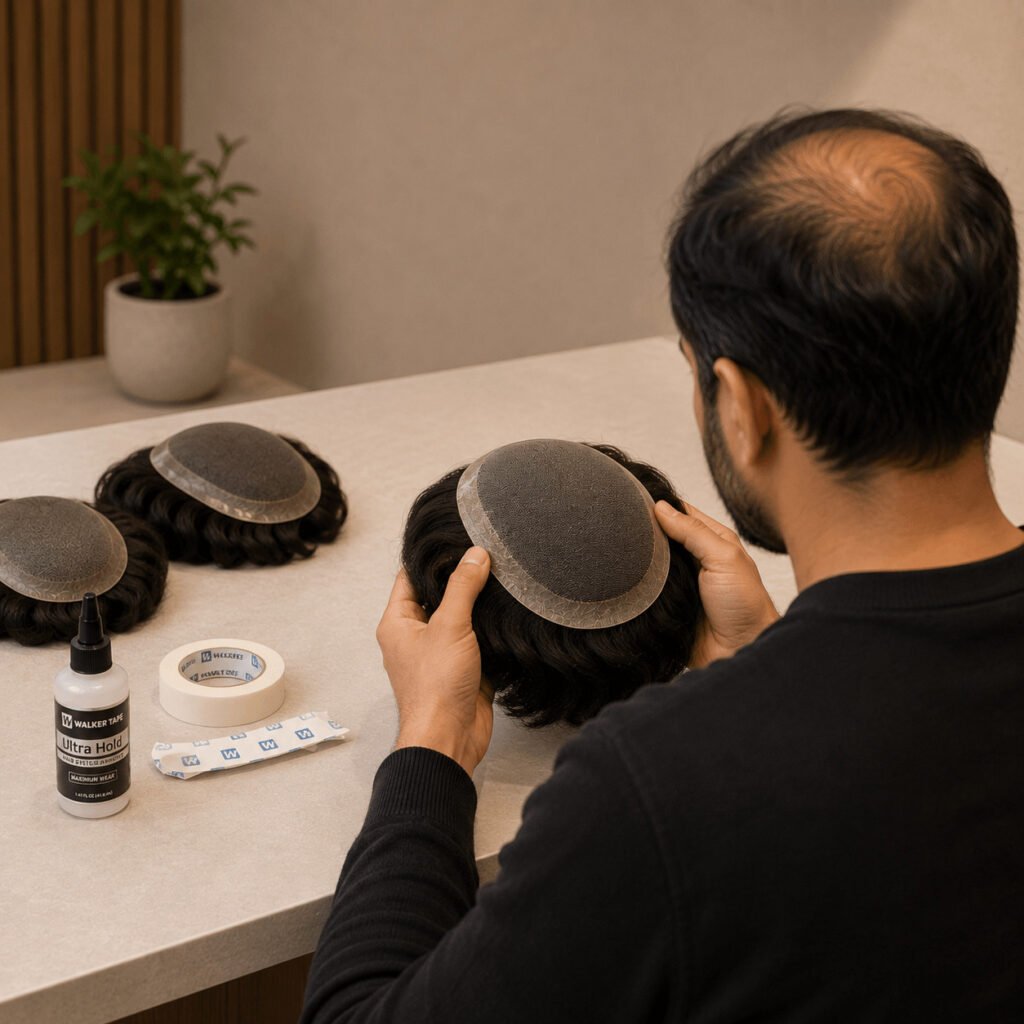
What a Non-Surgical Hair Patch Is — Basic Questions Answered (Bengaluru)   Quick answer: A hair patch (also called a non-surgical hair system) is a custom-made hairpiece bonded directly to your scalp to cover thinning or bald patches — no surgery, no downtime, no recovery. It’s built from a thin base material with human or synthetic hair attached, colour-matched and styled to blend into your existing hair. Most men in Bengaluru are fitted in a single sitting and return to normal life — gym, swimming, sleep — within 24-48 hours. Below are the 11 questions men ask most before booking a consultation, from what it’s made of to what actually happens in the chair. If you’re just starting to look into hair patches, these are the real, practical questions men bring to their first consultation at Topee — answered straight, without the sales pitch.   What exactly is a hair patch? A hair patch is a custom-fitted hairpiece — a thin base with strands of hair attached — that’s bonded to your scalp to cover a bald or thinning area. Unlike a full wig, it’s built only for the specific patch of scalp that needs coverage, then blended into the hair you still have. It’s also called a “hair system” or “non-surgical hair replacement unit.” There’s no cutting, no stitching, and no recovery period — you walk in with thinning hair and walk out with a full head the same day. It sits on top of your scalp rather than growing from it, which is the core difference from a transplant. What is a hair patch made of? A hair patch has two parts: the base that touches your scalp, and the hair attached to it. The base is usually lace, polyurethane (skin base), or monofilament mesh; the hair is 100% human hair , colour-matched to your own. Each base type trades off differently: Base type Feel Best for Lace Breathable, lightweight Bengaluru’s heat and humidity, all-day wear Polyurethane (skin base) Thin, nearly invisible The most natural-looking hairline Silk Base Realistic scalp appearance Natural look at the parting line, hides knots completely Monofilament Most durable Active lifestyles, frequent gym use Human hair costs more but can be washed, dyed, and styled like your own. Topee recommends a base and hair type based on your scalp, climate tolerance, and how active you are. How is a hair patch fitted on the scalp? A specialist first takes a precise impression of your bald or thinning area, then builds a base shaped exactly to it. This process is typically done for full lace pieces or custom order pieces. For many ready-made pieces, instead of a full impression, we simply measure front-to-back and side-to-side dimensions to ensure a secure and natural fit.. At the fitting appointment, the patch is bonded to your scalp using medical-grade adhesive or tape, then cut and blended into your surrounding hair. The whole process — from final trim to a finished, blended look — typically takes under two hours. Nothing is permanently attached to your skin; it’s bonded, not implanted, so it can be removed and reapplied whenever needed. Does getting a hair patch hurt? No. Fitting a hair patch is completely painless — there’s no cutting, no needles, and no anaesthesia involved at any point. The adhesive is applied to clean, dry scalp, the same way tape or a bandage would be. The only sensation some men report is mild tightness for the first day as you get used to the feel of a base on your scalp — that settles quickly and isn’t actually pain. There’s zero downtime; you can go straight back to work or daily life the same day. Does a hair patch look and feel like real hair? Yes, when it’s properly fitted and colour-matched. A good hair patch blends into your existing hairline closely enough that it isn’t identifiable in normal daily life — that’s the entire point of the customisation process. The realism comes from three things matching correctly: the base material against your skin tone, the hair colour and texture against your own, and a hairline cut to follow your natural growth pattern rather than a straight, obviously artificial edge. Poorly fitted, off-the-shelf patches are usually what gives hair systems a bad reputation. How long does the first fitting take? A first-time fitting at Topee typically takes between 60 and 120 minutes, including the final trim and blend into your own hair. For a fully custom base, your specialist may take a scalp impression at an earlier visit, with the patch made and fitted at a follow-up appointment. Once you have a patch, routine reapplications after maintenance visits are much faster — usually 45 to 60 minutes. Can I shower, sweat, sleep, and go to the gym with it? Yes. A properly bonded hair patch is designed for full daily wear — shower, gym, swimming, and sleep included. The adhesive used is made to hold through sweat and water, not just dry conditions. You’ll get specific aftercare guidance on washing technique and how soon to resume intense workouts after a fresh application, but once it’s settled, there’s no activity you need to avoid because of it. Bengaluru’s humidity is actually one reason we recommend breathable bases like lace for daily wear. Who is a good candidate for a hair patch? Most men with thinning hair or a bald patch are candidates — you don’t need to be fully bald. A hair patch works whether you’re covering a receding hairline, a thinning crown, or more advanced hair loss, since it’s custom-built to the exact area you need covered. The main thing your specialist checks is scalp health (no active irritation or infection) and how much surrounding hair is available to blend the edges into — that’s assessed in person at your first consultation, not over text or phone. Is a hair patch permanent, or can it be removed? A hair patch is not permanent — it’s a removable, regularly maintained solution,

hair wigs for men

Different Types of Hair Wigs for Men: Complete Guide to Choosing the Right One

Different Types of Hair Wigs for Men: Complete Guide to Choosing the Right One Hair loss is something many men deal with at some point in life. For some it starts in their early 20s, for others it comes slowly over time. Whatever the reason, it affects confidence more than people openly admit. In cities like Bangalore where appearance plays a role in both social and professional life, this becomes even more noticeable. That’s where hair wigs for men come in as a practical solution. Unlike waiting for treatments or going for surgical options, wigs give immediate results. You walk in one way and walk out looking completely different. Still, many men hesitate because they don’t fully understand the options available. This blog will break it down in a simple way, without overcomplicating things.   Why More Men Are Choosing Hair Wigs Today A few years back, wigs were mostly associated with older age or medical situations. Now that mindset has changed. Today, hair wigs for men are being used by working professionals, business owners, and even younger guys who just want to maintain a good appearance. There are some clear reasons for this shift. First, results are instant. You don’t have to wait months like with treatments. Second, there is no surgery involved, so no risk or downtime. Third, modern wigs look much more natural than before. If done properly, most people won’t even realise you are wearing one. Also, awareness has increased. People are more open to grooming and self improvement now, especially in urban India.   What Exactly Are Hair Wigs for Men A hair wig is basically a ready solution that covers hair loss. It can either cover the full scalp or just a part of it depending on your requirement. Many people confuse wigs with hair systems. They are similar in purpose but different in usage. Wigs are meant to cover the entire head but hair systems are only for the crown region. When choosing hair wigs for men, you need to consider things like material, base type, and how you plan to use it daily.   Different Types of Hair Wigs for Men There is no one single type that suits everyone. The right choice depends on your lifestyle and expectations.   Human Hair Wigs These are made from real human hair. Not all of them are remy hair, and quality depends on sourcing and processing. Human hair wigs give the most natural appearance. The movement, texture, and overall look is very close to real hair. You can style it based on your preference, which is a big advantage. At the same time, they require proper maintenance. This is not something you should handle on your own using random products. Professional servicing is important to maintain quality and lifespan. For people looking at long term use, this type of hair wigs for men is usually the better choice. Lace Base Wigs Lace wigs use a thin lace material at the base, especially near the front hairline. This helps create a very natural look. If you like styling your hair away from the forehead, lace wigs are a good option. The hairline looks realistic and blends well. They are also lightweight and breathable, which suits Indian conditions. But the material is delicate, so proper handling is required. Mono Base Wigs Mono base wigs use a slightly thicker mesh compared to lace. They offer a balance between durability and natural appearance. These wigs are more long lasting and suitable for regular use. The scalp appearance is still quite natural, though not as fine as lace. For many users, this becomes a practical choice among hair wigs for men because of durability. Full Cap Wigs Full cap wigs cover the entire scalp. These are used when there is significant or complete hair loss. They provide full coverage and are easy to wear once properly fitted. However, they can feel slightly warm, especially in humid conditions. Proper fitting is important here. A loose fit can feel uncomfortable, and a tight fit can cause irritation.      How to Choose the Right Wig Choosing the right wig is not just about looks. There are multiple practical factors involved. Lifestyle Your daily routine matters a lot. If you have a desk job, you can focus more on appearance. If you are active or outdoors often, comfort and durability become more important. Climate Indian weather is not the same everywhere, but in places like Bangalore you still have humidity and heat to deal with. Breathable options like lace are usually more comfortable. Hair Texture Indian hair is generally thicker and slightly wavy. Choosing the wrong texture makes it obvious that you are wearing a wig. Maintenance This is where many people make mistakes. Wigs need proper care, but that doesn’t mean doing everything at home. Using random products or trying DIY fixes can damage the wig. It is always better to visit a professional studio for servicing and upkeep.   Living with Hair Wigs for Men Once you start using a wig, it becomes part of your routine. Daily Use Most modern hair wigs for men are comfortable for daily wear. Initially, it may feel different, but you get used to it quickly. Styling Instead of using heavy products, a light serum works better in Indian conditions. It helps maintain a natural look without making the hair stiff. For proper styling, it’s always better to get it done professionally rather than experimenting. Sleep and Routine Some wigs can be worn while sleeping, but it depends on the type and fitting. Instead of guessing, it’s better to get proper advice from experts. Physical Activities Normal activities are fine, but for intense workouts, adjustments may be needed. Sweat can affect the base, so regular servicing is important.   Common Mistakes People Make Many first time users make similar errors. They choose based only on price without considering quality. They ignore proper fitting. Some try to maintain the wig themselves using products that are not

non-surgical hair replacement

Hair Systems for Men: Boosting Confidence in Professional Settings

Hey guys! In today’s competitive job market, looking sharp isn’t just a bonus—it’s a must. That’s where non-surgical hair replacement for men comes in; it’s a game changer helping guys step into boardrooms with a newfound swagger. No need for scalpel work or recovery time—just realistic hair that instantly enhances your vibe. I’ve witnessed it myself: a client landed a promotion after trying a Topee Hair System, simply because he felt like the boss he truly is. If you’re dealing with thinning hair, this could be your ticket to that professional confidence without having to go under the knife. Non-surgical hair replacement involves custom-made hairpieces—be it hair patches or full wigs—that attach seamlessly to your scalp. They’re designed with lightweight bases and human hair that moves naturally, making them great for those important client meetings or video calls where every detail matters. Forget the old-school toupees; today’s options can fool even the most discerning barbers. Let’s dive into how these systems can amp up your confidence at work. Why Choose Non-Surgical Hair Replacement? Let’s be real—surgery can be expensive, painful, and permanent. And what happens if you end up not liking the results? With non-surgical hair replacement, you can experiment with styles, switch up densities, and even adjust colors for different seasons. Places like Topee in Bangalore create systems using Indian Remy hair, which is both durable and affordable. Take my friend Raj, a sales exec who was losing hair quickly. He opted for a non-surgical solution and within weeks, he nailed a major pitch. Why? That extra boost of confidence from looking put together. Research indicates that men who feel confident are more likely to seal the deal—hair plays a critical role in that. It’s simple: clip or tape it on and face the day without scars or swelling. Maintenance is easy too. Just wash it once or twice a week and style it daily, and you’ll get 6 to 12 months of wear. The cost? It’s half that of hair transplants, starting around 10,000 INR. For professional men, it’s truly an investment that pays off in terms of respect and raises. Finding the Right System for Your Work Wardrobe Not every hair system will suit every job. If you’re in a corporate environment, you want sleek side parts; if you work in a creative setting, a textured crop might be better. Non-surgical hair replacement offers various bases, including: – Lace Fronts : These provide an invisible hairline, perfect for those close-up Zoom calls and are breathable for long hours. – Skin Appearance : Great for active professionals; they mimic scalp perfectly and are durable. – Mono Tops :  Budget friendly yet natural looking Make sure to measure your recession line and crown properly. A density of 80-100% will help you blend in naturally. Pro tip: match your hair texture to your usual look—straight for formal settings and wavy for a more modern touch. Topee in Bangalore is excellent at crafting custom fits. When it comes to styling, choose your products wisely. Serums work wonders for slick backs. Heat tools? No problem; they handle up to 180°C. Getting ready takes about 10 minutes, leaving you looking sharp and ready to tackle the office. One common mistake? Choosing the wrong color. It’s crucial to test it out in natural light first. Warm tones look fantastic against Indian skin tones—especially under those fluorescent office lights. Real-Life Stories: Confidence Wins from Working Men Let’s talk real experiences: Vikram, an IT manager, used to get teased about his receding hairline. After switching to a non-surgical system and growing a matching beard, he’s now leading his team with confidence. Then there’s Anil, a banker whose system remained durable and presentable despite continuous use during a long workday. These stories are more common than you think. Discussions on forums are filled with professionals attributing their career moves—like asking for raises—directly to their hair transformation. Psychologically, a full head of hair signals vitality, which is crucial for leadership roles. With non-surgical solutions, your secret stays safe, and you just shine. Even gym enthusiasts swear by these systems! The sweat-proof adhesives hold up during tough workouts, and they’re easy to clean off post-exercise. They’re versatile enough for after-work drinks or casual dates as well. Daily Care to Keep Your Look Sharp To keep your hair system in top shape, consistency is key. Here’s a simple morning ritual: clean your scalp, apply adhesive, position the base, and blend the edges with tweezers. Non-surgical hair replacement benefits from a steady routine—using a silk cap at night helps maintain the shape. You also want to choose your products wisely. Opt for sulfate-free shampoos and leave-in conditioners, and stay away from alcohol-based sprays; they can dry out your knots. A weekly deep condition will keep your hair looking healthy and vibrant. Travel tip: pack a mini kit with adhesive, a brush, and tape. If you experience jet lag hair, you can easily refresh your look in an airport restroom. One common mistake? Overwashing your system can strip the glue faster. Stick to once or twice a week for washing, and your non-surgical hair replacement will stay perfectly locked in. Level Up Your Professional Look Without Surgery At the end of the day, non-surgical hair replacement for men isn’t just about vanity—it’s a strategic move. In professional settings, first impressions are everything. Full hair conveys capability, energy, and readiness to lead. So ditch the hat and embrace a system that fits your lifestyle. From the bustling boardrooms of Bangalore to meetings with global clients, Topee offers style solutions that work. Consult, customize, and conquer. Who do you have your next big meeting with? Get that hair system and feel unstoppable! What’s your experience with hair and work? Let’s chat about non-surgical solutions!  

Book Consultation Today

Scroll to Top
Seraphinite AcceleratorOptimized by Seraphinite Accelerator
Turns on site high speed to be attractive for people and search engines.